1. Isolate the space
The team closes the area, marks it off and keeps staff, tenants and visitors away until work is finished.
Lake City, MN · Wabasha County
Business owners and fleet managers in Lake City who find residue in a restroom, office or vehicle can call (877) 812-4220. Crews clean the space, dispose of the waste and explain what was done.
If anyone is in danger, call 911 first. For a suicide crisis, call or text 988.
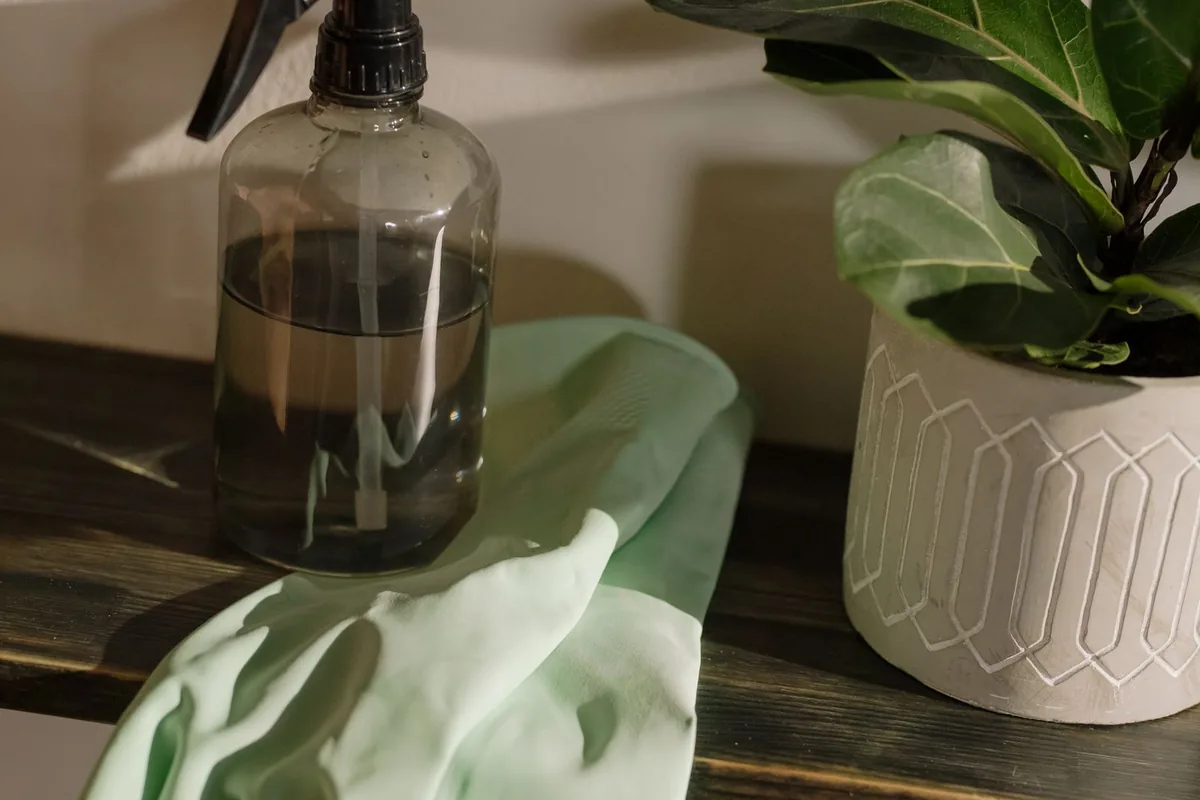
Fentanyl cleanup in a vehicle follows the same logic as in a building. The small, closed space means residue can collect on seats, carpets and vents, so crews work slowly and seal waste.
Have questions about unknown powders, exposure risks and cleaning? Owners in Lake City can ask Lake City Biohazard Cleanup Help in a calm call with no judgment. You get help focused on making your space in Wabasha County safe.
Vacant housing is about 11% of homes in Wabasha County, and empty buildings can hold unknown powders that owners find only when they open the door. Cleanup can wait until everyone is safe. For emergency care in Lake City, Mayo Clinic Health System - Lake City in Lake City is the nearest option.
Fentanyl Decontamination in Lake City usually includes:
The team closes the area, marks it off and keeps staff, tenants and visitors away until work is finished.
Seats, carpet, mats and bedding that hold residue may be removed and sealed.
Floors, furniture and fixtures are cleaned. Carpet, padding and fabric that hold residue are removed.
Contaminated items are packed and removed, and the owner can ask for a summary of what was done.
Expect fentanyl decontamination in Lake City, MN to cost roughly $3,000 to $30,000, with the final price set after an on-site assessment.
The gear and controls needed for safe work, including protective equipment and dust control, are part of the cost.
| Type of job | Typical range |
|---|---|
| Fentanyl cleanup | $5,000 - $30,000+ |
| Fentanyl cleanup | $3,000 - $20,000 |
Estimates only, not a quote. Sources: Biohazard cleanup company pricing guide. Price drivers include area affected, testing before and after, protective gear and disposal, materials that must be removed. Call (877) 812-4220 to talk through the job.
Call 911 if the person cannot be woken, is breathing slowly or is very drowsy. For other questions, call Poison Control. Get away from the area and wash skin with soap and water. Tell responders what you found and where, so they can act safely.
Vehicles are small, closed spaces, so residue can build up on seats, carpets and vents. Crews use the same careful methods as in a building, and soft materials may need to be removed. Ask whether the team cleans vehicles and how soft materials are treated.
Contaminated materials are sealed in labeled containers and hauled away. Rules vary by location, and some waste may need special handling. Ask the team how its waste is hauled and disposed of, and ask for records at the end of the job.
Residue can stay until it is cleaned, and no one can tell by looking. That is why a closed area should be left alone until a cleanup team has cleaned it. You can ask the team to explain the methods it uses and how it checks the work.
No. Keep them out until a cleanup team has finished. Children and pets are close to floors and furniture and are most at risk from residue. If one touches or swallows something unknown, call Poison Control or 911.
No. This page explains how fentanyl decontamination works. It is not medical, legal or insurance advice. For symptoms, contact a doctor or Poison Control, and for questions about what must be reported, ask an attorney or the local health department.
Do not touch or sweep it. A cleanup team contains the area and cleans it safely.
Call (877) 812-4220